Skip to product information
1 of 4
In stock
Shipping now

Owari Satsuma Tree

Nearly seedless cold-hardy mandarin

Size
Trusted by 4M+ Gardeners
Grow Guarantee
Fast Shipping
Secure
Shipped from Asheville, NC

About the Variety

New

Key Features

Frost Tolerant
Attracts Bees
Attracts Butterflies
Container Friendly
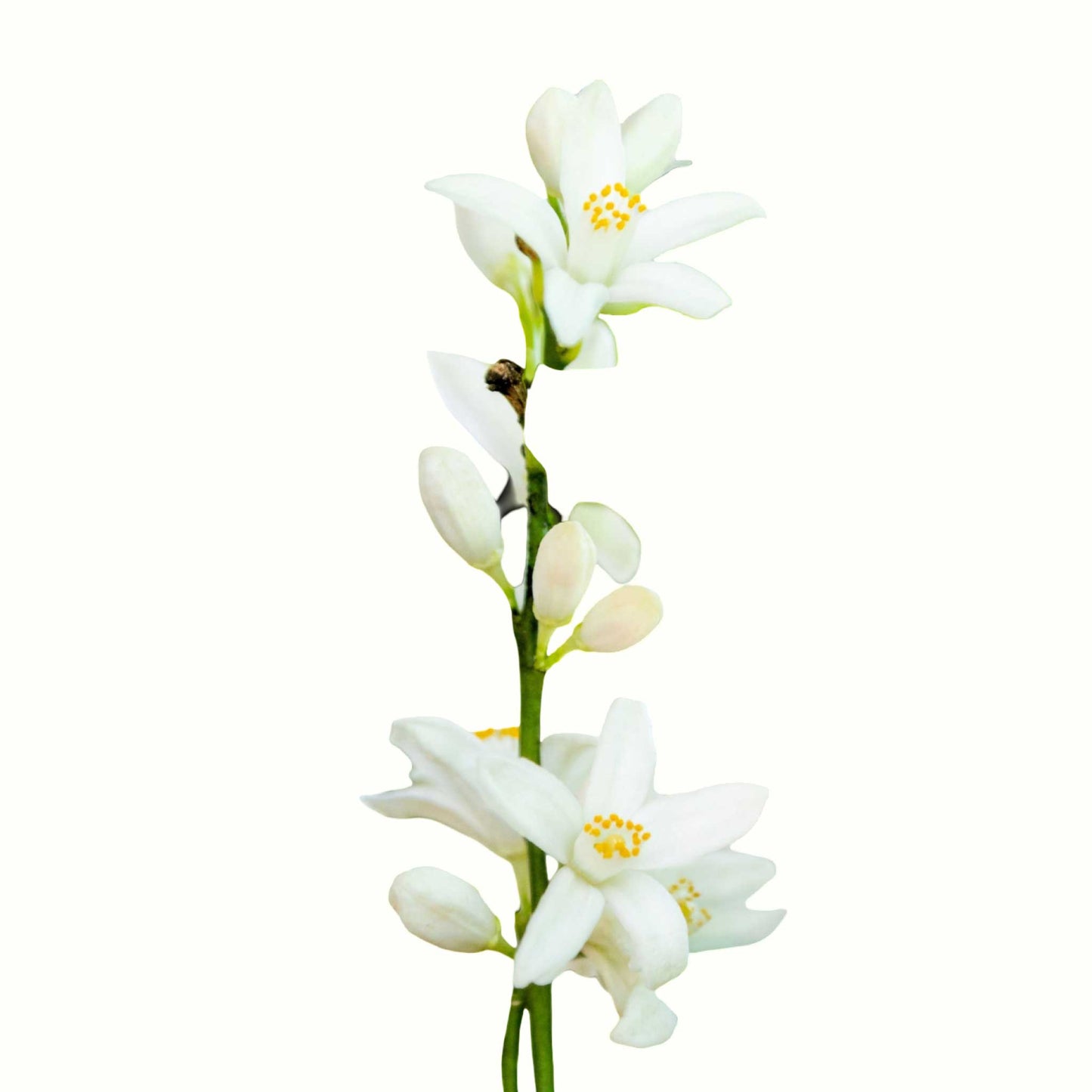
Fragrant
Edible
Challenging but Rewarding

Plant Details

BOTANICAL NAME

Citrus reticulata 'Owari'

LIFE CYCLE

  • Perennial

SEED TYPE

  • Live Plant

LIGHT REQUIREMENT

  • Full Sun

BLOOM SEASON

  • Spring

GROWTH HABIT

  • Compact
  • Upright

COLOR

  • Orange

MATURE SIZE

  • 10-15 ft. x 10 ft.

Owari Satsuma is the cold-hardy, nearly seedless mandarin tree that made homegrown citrus a reality for gardeners well beyond the traditional citrus belt. Its loose, slightly pebbled skin peels away effortlessly to reveal tender, juicy segments with a rich, honey-sweet flavor balanced by just a hint of tartness. Ripening early, from late October through December, the fruit is often ready before the first hard frosts, making Owari the signature backyard citrus of the Gulf Coast and coastal Southeast.

Rewarding you with bowls of easy-peel fruit just as the weather turns cool, plant Satsuma in the ground across the warm South, or grow it in a pot that summers outdoors and comes inside when a hard freeze threatens.

This item is excluded from coupon codes and site-wide promotions.

Available across most of the U.S. — except AK, AL, AZ, FL, HI, TX.

  • • A snack kids peel themselves and a lunchbox favorite straight off the tree
  • • Sugary, low-acid flesh ripens ahead of most citrus, delivering fruit in fall
  • Plant in the ground; gardeners farther north plant in a large container that overwinters indoors

Planting Information

PLANTING SEASON

  • Spring
  • Summer
  • Fall

PLANTING DEPTH

  • Plant at the same depth as the container

WATER NEEDS

  • Average

PLANT SPACING

  • 10 to 12 feet

HARDINESS ZONES

  • 8
  • 9
  • 10
  • 11

Planting Guide

recommended growing zone View our Satsuma Planting Guide to learn more

Companion Plants

1 of 3

Owari Satsuma Tree FAQs

How cold-hardy is an Owari Satsuma really?

It's the cold-hardiest of the popular mandarins. Once a tree is well established, it can withstand brief dips into the low-to-mid 20s°F with little or no damage, which is noticeably tougher than oranges, lemons, or grapefruit. That hardiness is what makes it the signature backyard citrus of the Gulf South and coastal Southeast. Young trees are more tender, so protect them for their first few winters until the wood matures.

How is a Satsuma different from other mandarins or "cuties"?

Satsumas have an especially loose, puffy skin that zips off in one piece, and the flesh is tender, low-acid, and seedless to nearly seedless. They also ripen earlier and tolerate far more cold than tangerines or most clementines. The trade-off is that the fruit is delicate and doesn't store or ship well, which is exactly why a homegrown tree is such a treat.

Do I need a second tree to get fruit?

No. Owari Satsuma is self-fertile, so a single tree will set a full crop on its own. It's also seedless because it doesn't require cross-pollination. Planting it near other citrus can actually introduce seeds, so a lone tree keeps the fruit cleaner.

When do Satsumas ripen, and how do I know they're ready?

Owari is an early ripener, coloring up from late October into December. Don't judge ripeness by color alone, the skin often turns orange before the inside is fully sweet, and a slightly green-shouldered fruit can still be ready. Pick when the fruit feels heavy and tastes sweet, and clip it with a short stem since the loose skin tears if you pull. Harvest promptly, as the fruit doesn't hold long on the tree.

Can I grow one in a pot or in a colder climate?

Yes. In zone 7 and colder, grow Owari in a large container that spends summers outdoors and winters in a bright, cool spot like a sunroom or garage, brought in before the first hard freeze. Even in zone 8, container growing lets you move a young tree to shelter during severe cold snaps while its cold tolerance builds.

Why is my Satsuma dropping fruit or producing puffy, hollow fruit?

Some early fruit drop in late spring is normal, the tree is simply shedding what it can't carry. Heavy drop later often points to drought stress or erratic watering, so keep moisture steady as fruit sizes up. Overly puffy, separated skin usually comes from leaving fruit on the tree too long or from excess nitrogen and water late in the season; harvest on time and ease off feeding after midsummer.

Grown by Our Community • All citrus

    1 of 0