Skip to product information
1 of 8
Low Stock
Shipping now

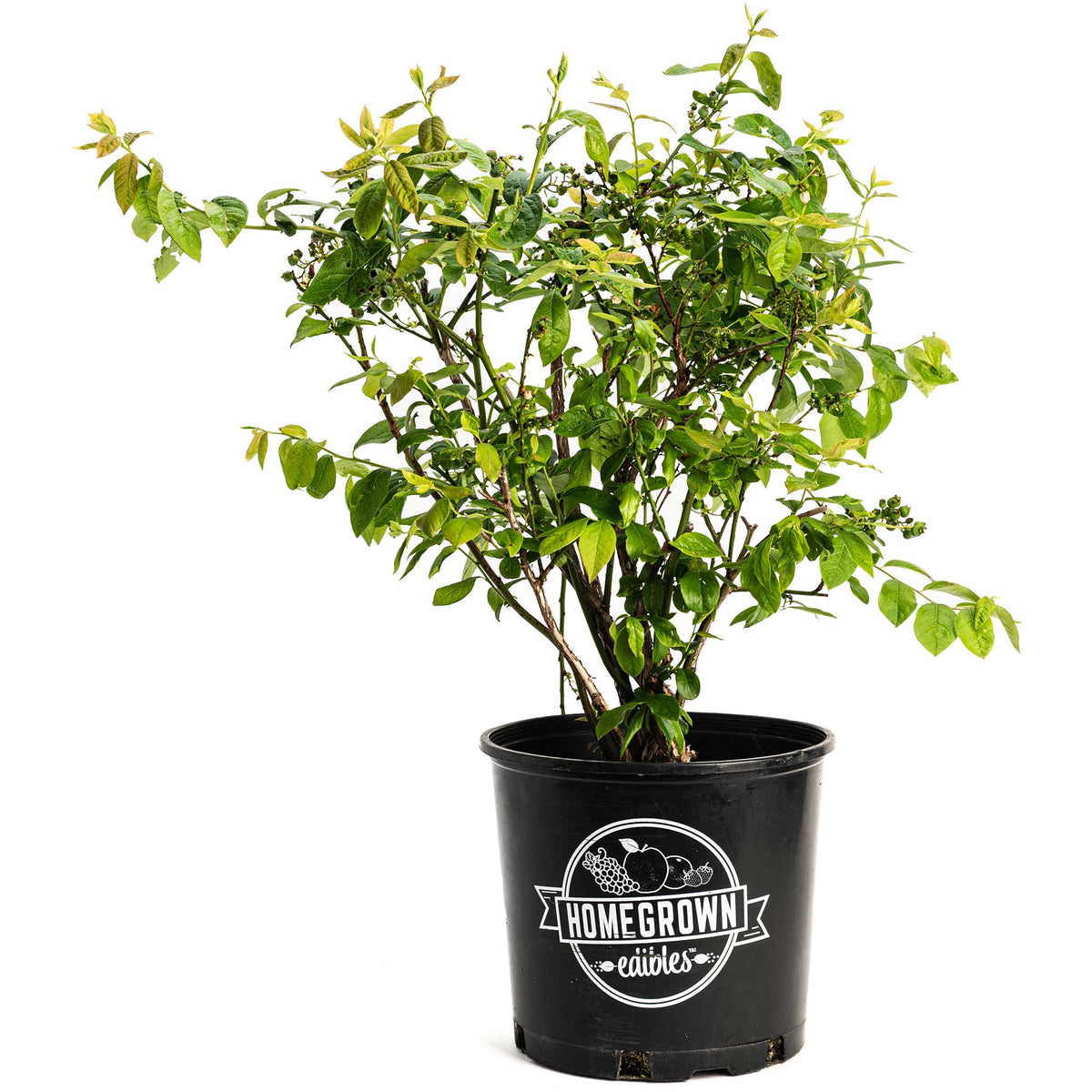
Duke Blueberry Bush

Northern highbush variety, one of the earliest blueberries to ripen

Size
Pack Options
Trusted by 4M+ Gardeners
Grow Guarantee
Fast Shipping
Secure
Shipped from Asheville, NC

About the Variety

Up to 25% off New

Key Features

Frost Tolerant
Prefers Moist Soil
Attracts Bees
Edible
North American Native Cultivar
Challenging but Rewarding

Plant Details

LIFE CYCLE

  • Perennial

SEED TYPE

  • Live Plant

LIGHT REQUIREMENT

  • Full Sun

BLOOM SEASON

  • Late Spring

GROWTH HABIT

  • Bush
  • Upright

COLOR

  • Blue

MATURE SIZE

  • 5-6 ft. x 3-4 ft.

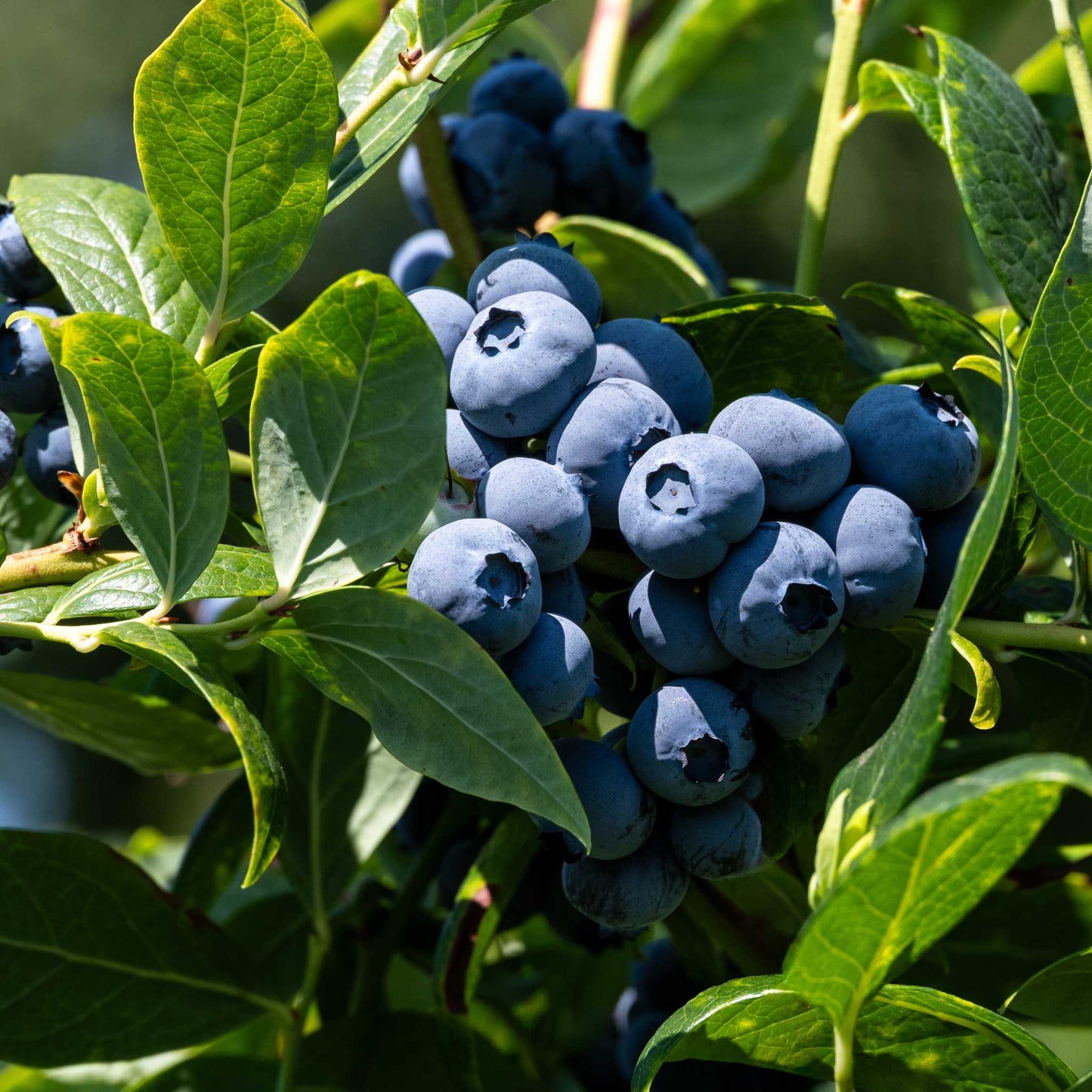
Duke Blueberry is a dependable Northern Highbush prized for its heavy early-season harvest of large, firm berries with a sweet, tangy flavor. Rich in antioxidants, fiber, and vitamin C, blueberries are as nutritious as they are delicious. Beyond the harvest, Duke offers year-round beauty with pink-blushed spring blossoms, abundant summer berries, and brilliant yellow-orange fall foliage, making it a standout in both edible and ornamental landscapes.

This item is excluded from coupon codes and site-wide promotions.

Available across most of the U.S. — except AK, AZ, CA, HI, OR, WA.

  • • Resilient, cold-hardy variety for northern climates
  • • Reliable and productive, one plant can produce up to 20 pounds of berries
  • Self-pollinating; an optional pollinating partner may increase yields

Planting Information

PLANTING SEASON

  • Spring
  • Fall

PLANTING DEPTH

  • Plant at the same depth as the container

WATER NEEDS

  • Average

PLANT SPACING

  • 3 to 4 feet

HARDINESS ZONES

  • 4
  • 5
  • 6
  • 7

Planting Guide

recommended growing zone View our Blueberry Planting Guide to learn more.

Companion Plants

1 of 3

Duke Blueberry Bush FAQs

How should I water my Duke Blueberry plants?

Keep Duke Blueberries consistently moist, particularly during establishment, flowering, fruit development, and periods of dry weather. Provide approximately one to two inches of water per week, including rainfall, while avoiding waterlogged soil. Drip irrigation or a soaker hose works well because blueberries have shallow roots and benefit from slow, deep watering directly around the root zone.

What is the best fertilization schedule for Duke Blueberry plants?

Fertilize Duke Blueberries in early spring as new growth begins using a fertilizer formulated for acid-loving plants and following package directions. A second light application may be made after bloom to support continued growth and fruit development. Avoid fertilizing late in the growing season, as this can encourage tender new growth that may be damaged by winter cold.

How do I ensure good pollination for my Duke Blueberry plants?

Duke Blueberry is self-pollinating, so a single plant can produce fruit, but growing another compatible Northern Highbush variety nearby can improve pollination and potentially increase berry size and yield. Because Duke blooms early, choose a variety with an overlapping early bloom period. Encourage bees and other pollinators by avoiding pesticides that may harm them, especially while the plants are flowering.

When and how should I harvest Duke Blueberries?

Duke Blueberries typically ripen in early to mid-summer. Allow the berries to become fully blue and harvest when they release easily with a gentle touch rather than requiring a tug. Refrigerate freshly picked, unwashed berries for about a week, or wash and thoroughly dry them before freezing for longer storage.

Grown by Our Community • All berries

    1 of 0